
One awesome thing about having internet-enabled devices at hand is that it is so easy (and affordable!) to implement a ‘take your own route to making it’ approach to assessment, allowing students to work their way towards correct answers without being penalised for their mistakes on the way.
Of course the element of trial-and-error necessitates that this not be the only method of assessing the learning taking place but I do find it a very valid way forward as I teach a topic.
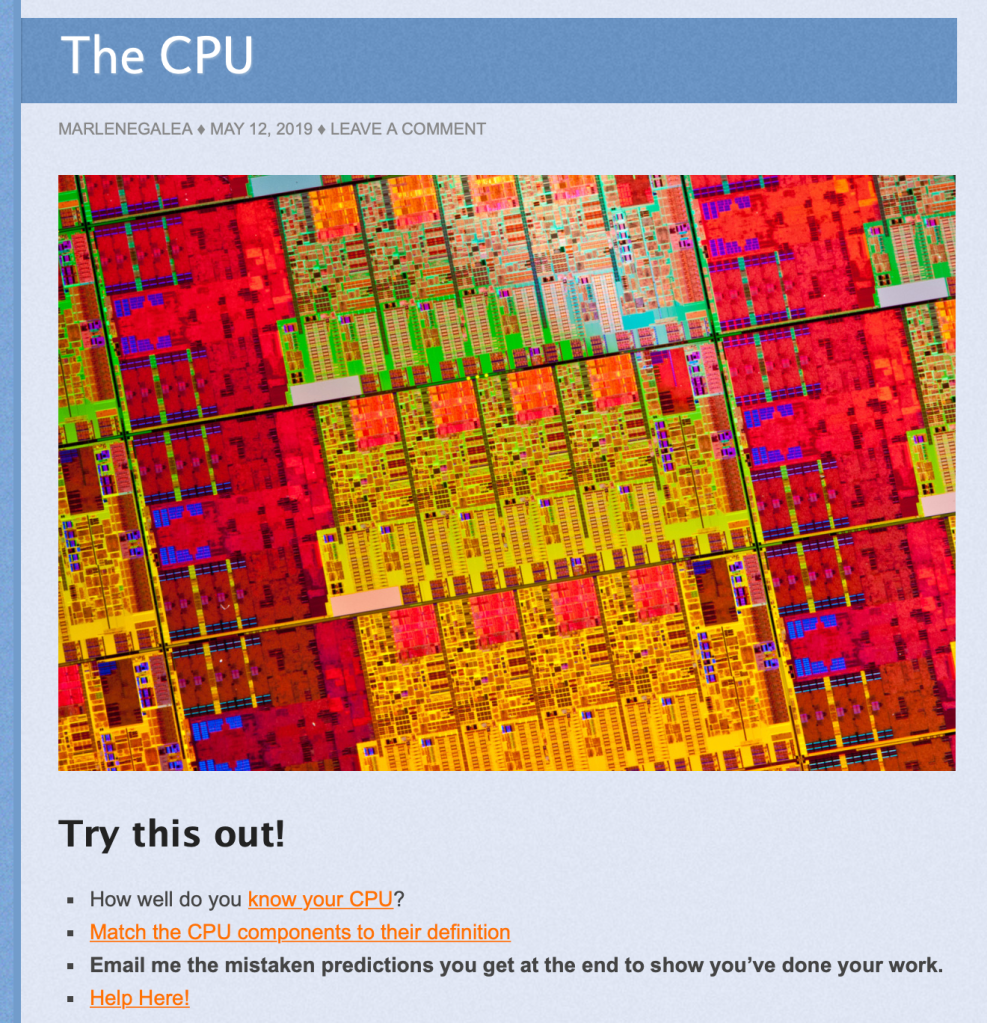
As a case in point here is a blog entry that covers the topic on The CPU, a topic students often find challenging.
Online Learning App
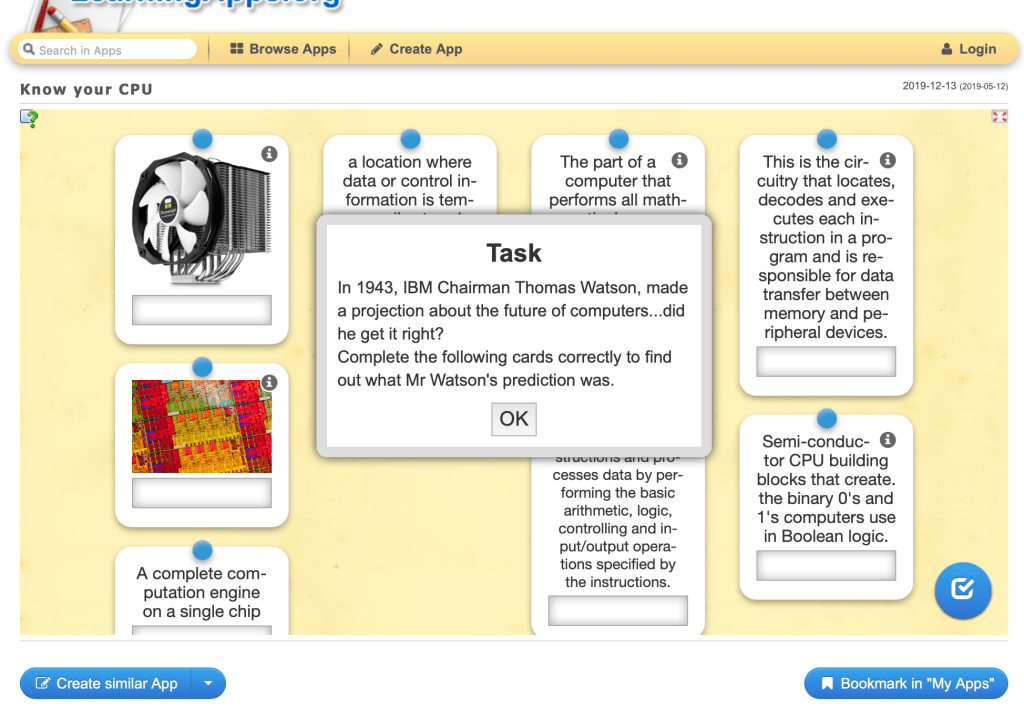
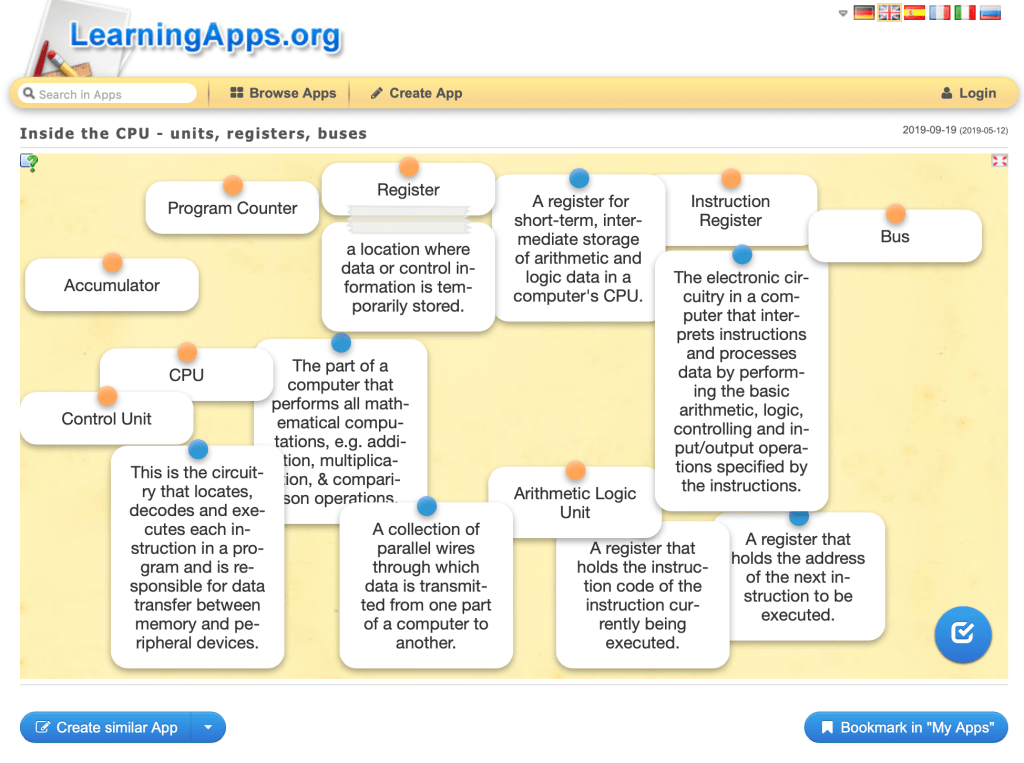
Their online nature gives these apps a clear advantage over physical worksheets as it allows students to carry out a self-correcting exercise, get hints if needed as well as retry the exercise later on.
- After a topic introduction that is mainly teacher-centred, students try out an interactive learning app.
- Those who need extra help can ask the teacher for the password to the hints.
- Once students get all answers correct they get the answer to the curio-point that the exercise starts off with. All they need send the teacher is a screenshot of that answer as proof of completion.
Differentiated Learning
Since option classes are generally mixed ability, one greatly appreciates the flexibility afforded by technology where more challenging material and tasks may be set to students according to their level
Gamifying Homework
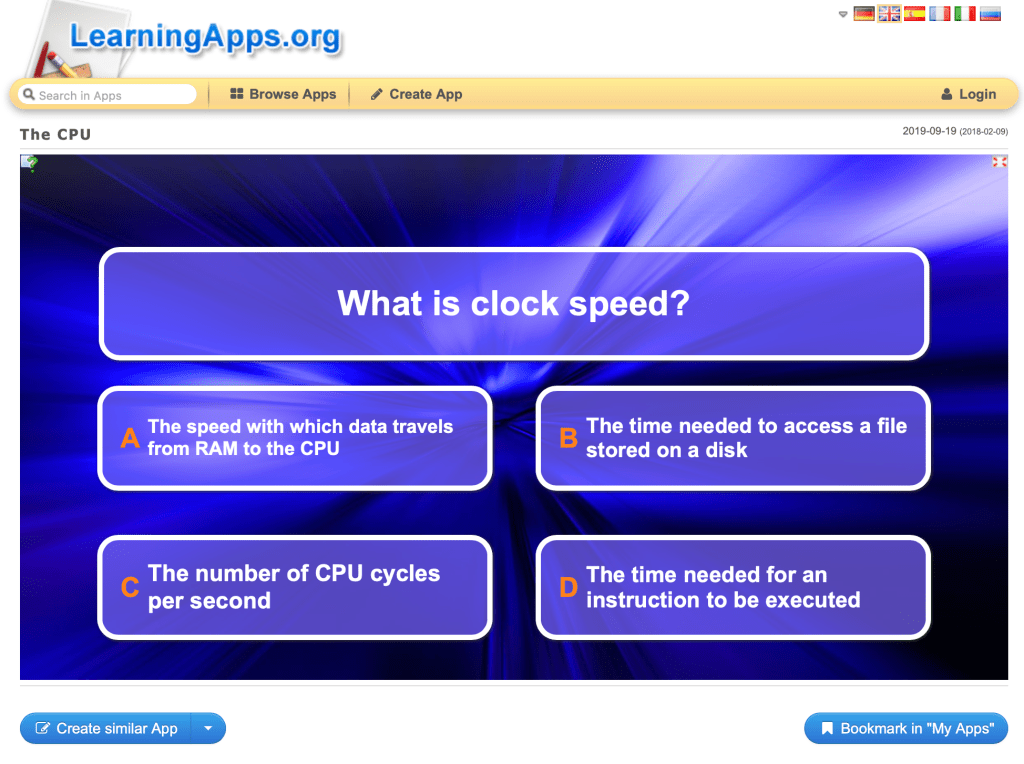
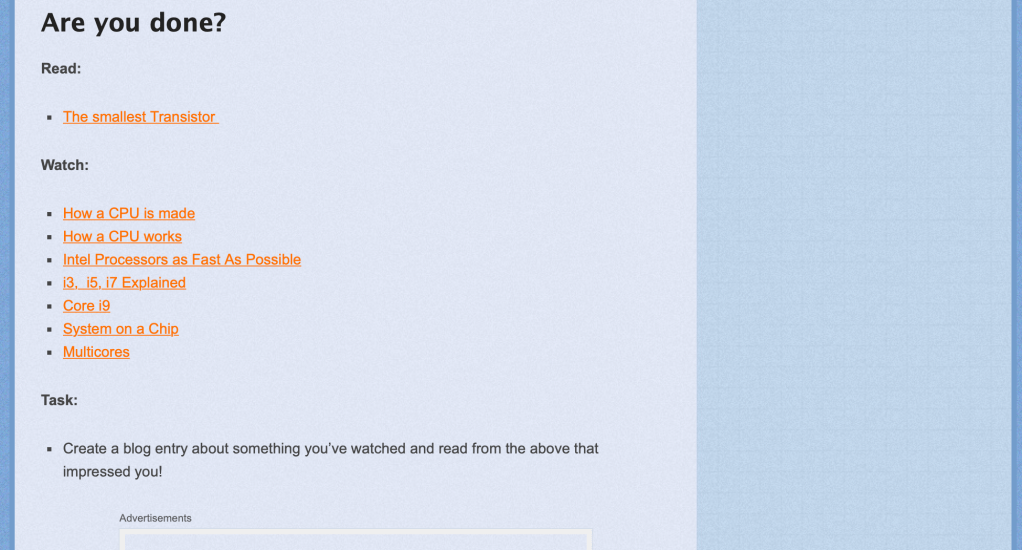
The assigned homework for this topic was a ‘Who Wants to Be a Millionnaire’ game where students had to play till they win and then send the teacher a screenshot of their winning screen.
This could have been a class exercise where students race against time to become the first millionnaire in class, but I felt that while more fun this would have less of a pedagogical impact as the strength I saw in the “Who Wants to Be a Millionnaire” game structure is that weaker students get to practice more until they win.
Critical Reflection
I apply this methodology in many of my lessons and greatly appreciate the flexibility this set up gives me even while actually delivering the lesson…for instance soemtimes I edit hint sections on the fly as I realise I had misjudjed the level of my students during lesson preparation.
I have learnt that even if the teacher moves round students as they work, some form of concluding comments and/or discussion needs to follow such exercises to gauge comprehension.
Moving Forward – Wordwall and other platforms
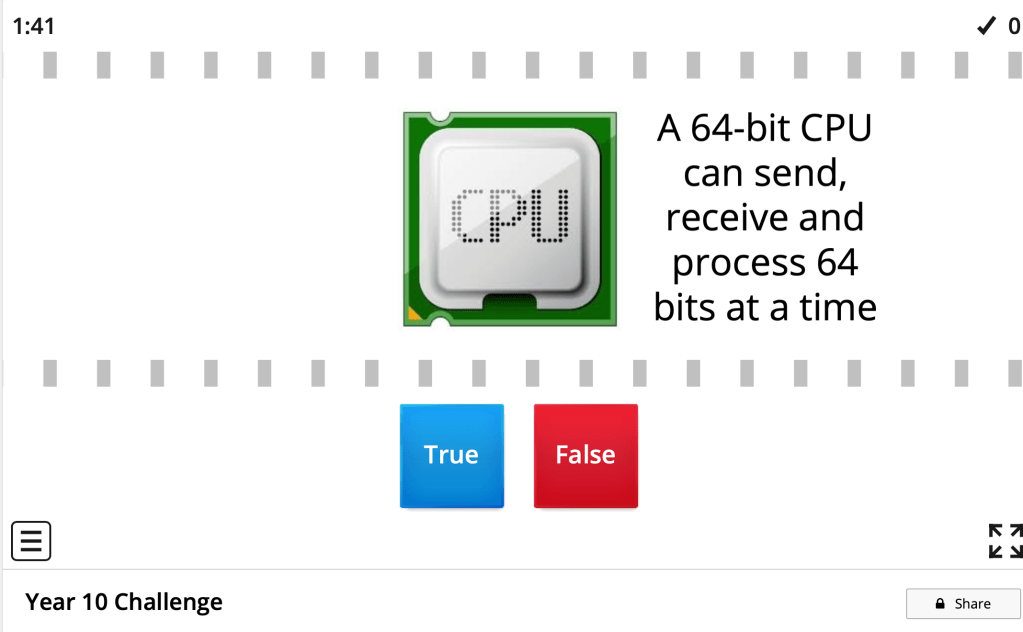
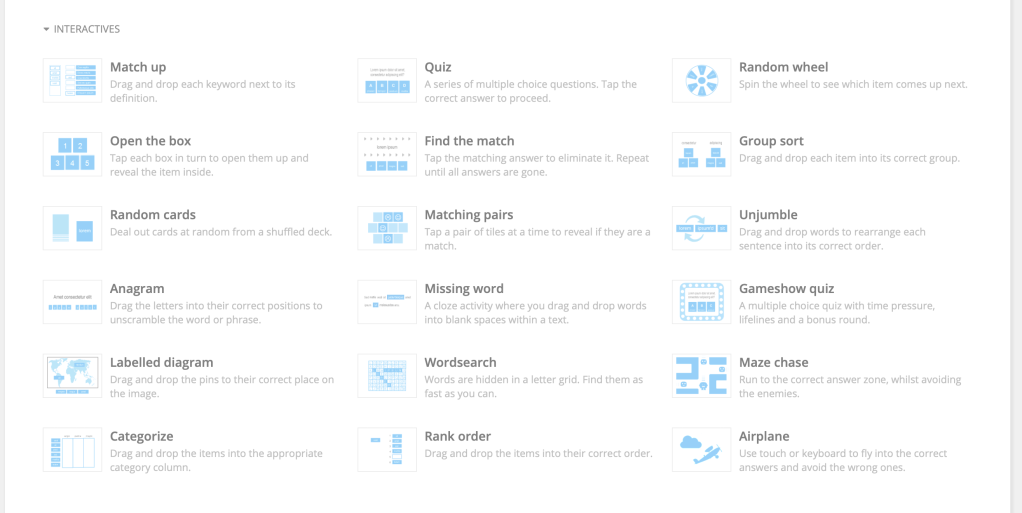
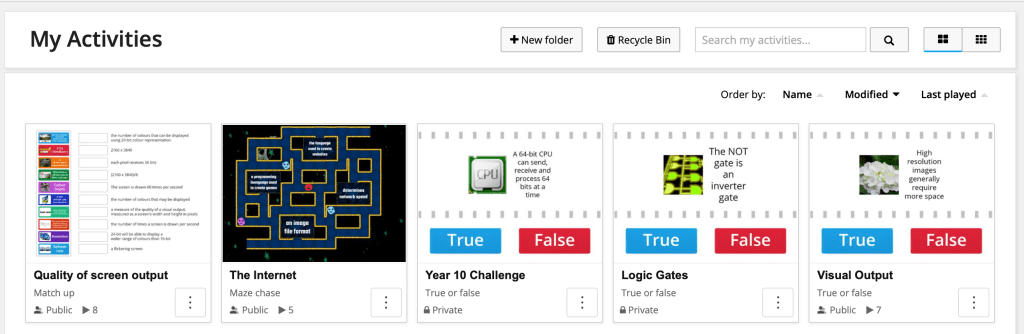
Platforms similar to LearningApps.org, like Wordwall offer interesting alternatives.
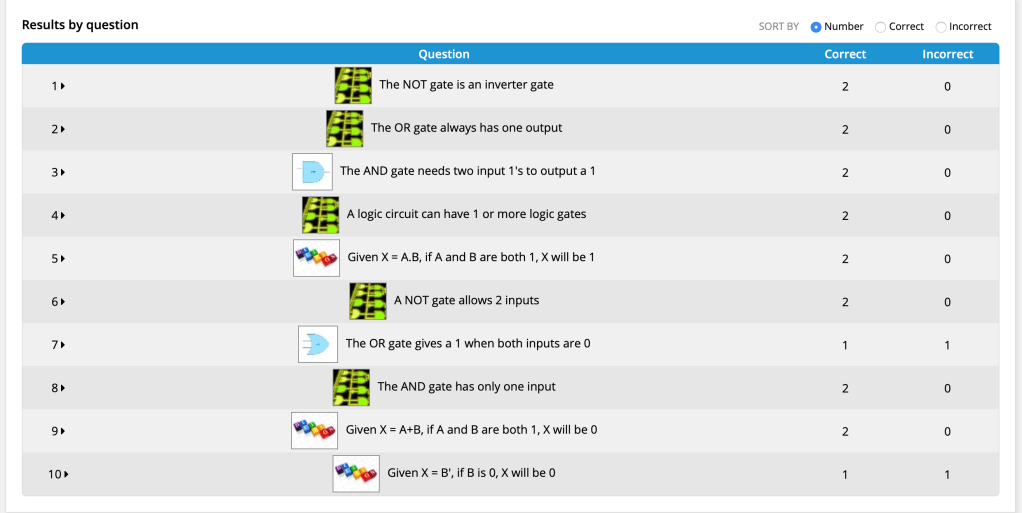
Wordwall in fact offers extremely attractive app interfaces, although only the first five apps can be created for free. However the added functionality (including performance reviews) available on Wordwall might make getting a subscription worthwhile.
 class4d21st.school.blog